
Starting March 10th!
BUILT TO RUN
Strength Training Class for Runners

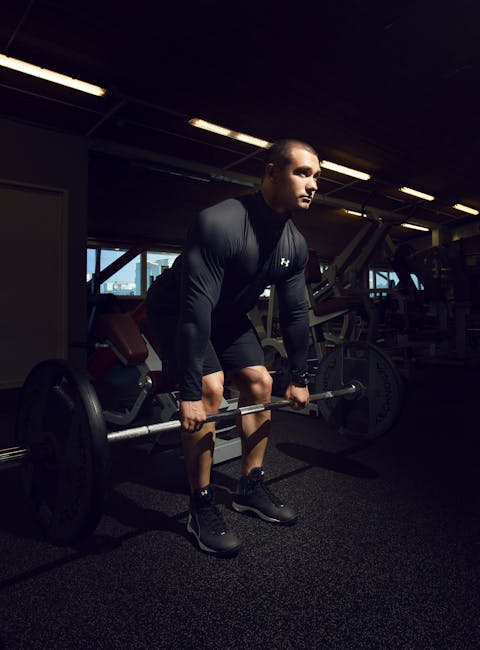
Get stronger, run better and lower your risk of injury.
Running demands your body to be strong, mobile and resilient. With the right lifting program, your body can run like a well oiled machine when you hit the road.
How Built to Run can help:
Prices:
Get a trial package of 4 classes for $40! ($10 each)
Starting March 10th, classes will happen every Tuesday and Thursday at 12pm.
FAQ
Beginners can experience a small increase in leg strength but only for a short amount of time. In order to strengthen your legs effectively you should perform movements like squats and step ups through a full range of motion as well as isolation movements like leg extensions and leg curls in order to provide full support for your joints.
Becoming slow and “bulky” as a result of lifting weights can only happen if your training highly prioritizes lifting weights and puts running on the back burner for an extended period. If your training schedule prioritizes running, and your training volume for lifting weights does not get too high, becoming slow and “bulky” will not be an issue. In fact, the right weight training plan can help you fully reap the benefits of a good running program.
The idea that lifting weights will make you stiff and ruin your running mechanics, by default, is a myth. It is common to be stiff and sore for a day or two after lifting weights but that should go away soon afterwards. Prolonged stiffness can occur from a poorly organized training program, not lifting through a full range of motion and a lack of flexibility.
The short answer is no, at least not by default. However, if you lift weights too frequently and/or plan your high effort runs too soon after your weight training sessions your stamina can suffer. It all comes down to having the right training program that prioritizes running and allows you to have some time to rest and recover.
Only if your training volume is too high or you train too frequently. However, if these two aspects are well managed in addition to your sleep and nutrition, then you should be recovering sufficiently.
The best rep ranges mainly depend on the exercise. For the most part, runners should be lifting moderate to heavy weights in the low to moderate rep range, which is roughly 4-10 reps per set.
It depends on how you train. If you train with heavier weights than you can lift correctly, or you overtrain, this will increase your chances of getting injured. If you train responsibly, go for slow consistent strength gains, follow a well managed plan and training schedule and listen to your body, lifting weights will reduce your risk of getting injured.